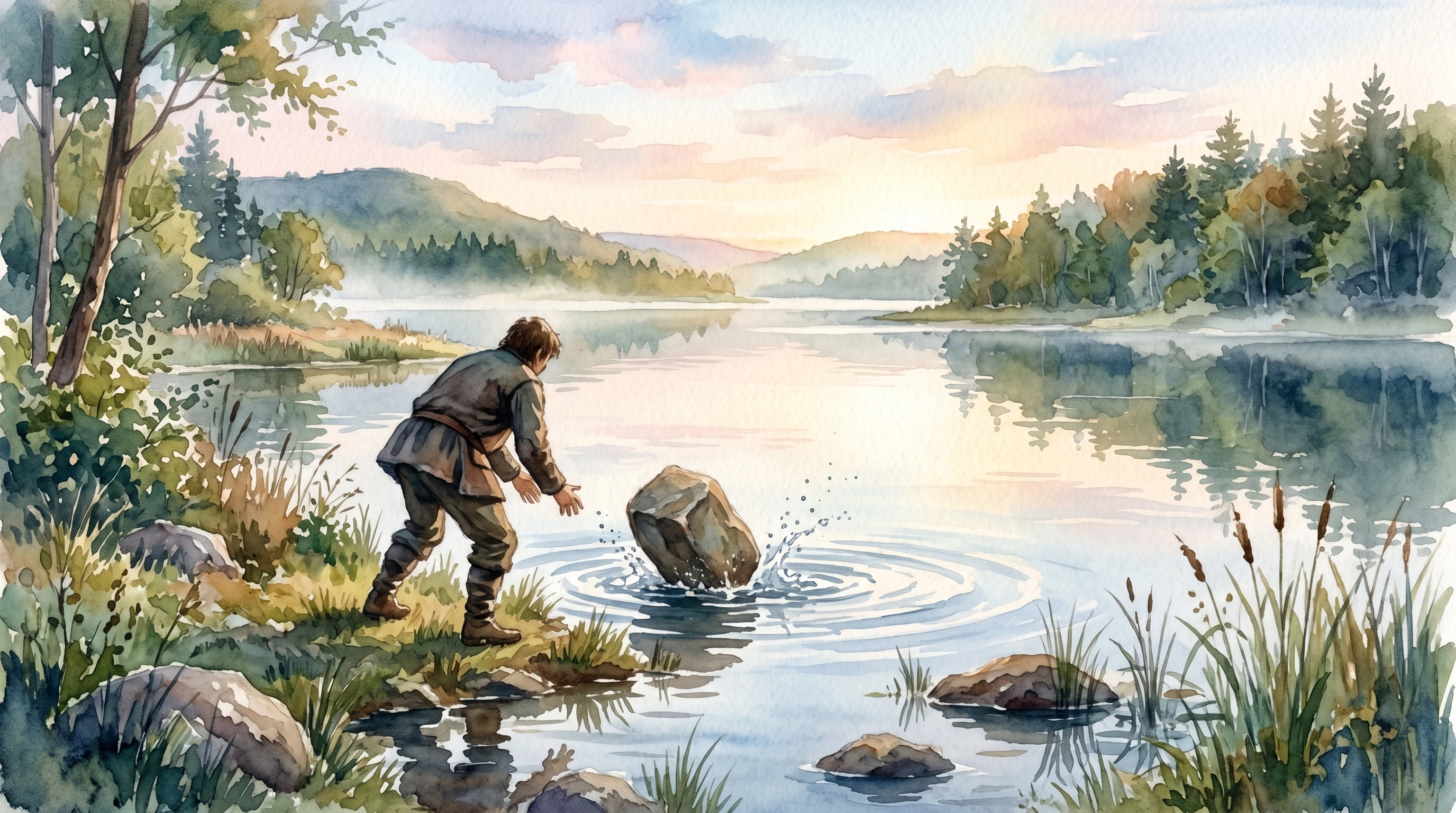
 Holding onto grudges can really take a toll on your peace of mind. I’ve found that resentment can start out small, but before you know it, it feels like this heavy backpack that gets carried everywhere. We get stuck on old problems instead of enjoying what’s happening right now. Letting go of grudges and learning to forgive doesn’t mean what happened was okay; it’s about finally dropping what’s been weighing us down. In this article I want to share with you the approach I’ve put together that’s helped me break free and find more peace in my life.
Forgiveness is a skill that can be learned. If you’re tired of holding on to past hurts and want to feel lighter inside, this step-by-step guide is for you. Here’s how I let go of grudges and find my way to genuine forgiveness. I know that everyone’s experience with resentment is a bit different, but these steps help me find clarity, comfort, and freedom with time.
Step 1: Recognize What You’re Holding Onto
Before I can let something go, I need to get clear about what I’m actually holding onto. Often times a grudge grows slowly; the initial hurt happens, then I replay the situation in my head (sometimes for weeks!). Thinking about what was done and how it felt at the moment.
I’ve noticed it helps to pause and be honest about what’s bothering me because hiding grudges under the surface is easy to do, quietly affecting my mood. Speaking out loud what took place or writing about it can lessen the sting.
Questions I Ask Myself:
- What exactly happened that’s still bothering me?
- How long have I been carrying this resentment?
- Is this grudge affecting my mood, relationships, or daily life?
- Do I want to keep feeling this way a week, a month, or a year from now?
Being totally honest about it is really important. Admitting it’s there is the first step toward finally getting it out of my way, and sometimes that little bit of honesty is what gets the ball rolling toward real release.
Step 2: Decide Why Letting Go Matters
Letting go isn’t always easy. I seem to get the feeling that if I let it go I’m giving permission to be disrespected again, or I’m showing a sign of weakness.
For me, remembering what I gain by forgiving makes a big difference. Holding onto grudges drain my mental energy, distract me from the present, and sometimes even affect my sleep. Theres been too many nights where I’ve stayed up late at night thinking of ways I could have handled situations or words I could have spoke in defense of myself.
I ask myself what I might gain by setting myself free from these lingering feelings. Am I accomplishing anything by living in the past? Shifting my focus from what I’m losing to what I’m gaining helps me step up my motivation.
What I Stand to Gain By Letting Go:
- More emotional freedom and less anxiety
- Better focus on what truly matters to me
- Improved relationships (even if it doesn’t fix the past, it helps me move forward)
- A sense of lightness and control over my own adventure, instead of letting old problems steer me
Whenever I lose sight of why forgiveness matters, I remind myself: holding a grudge gives someone else control of my feelings and free real estate in my head.
I’d rather spend that energy doing something that actually makes me happy or fulfilled, like being with family and friends, learning something new, or simply relaxing.
Step 3: Feel the Feelings
I’ve tried skipping this step, but it never works out well. Identify that you have been hurt. Trying to force myself to “just get over it” usually backfires, and the hard feelings pop up later even stronger. Just like any physical pains Ignoring they are there won’t help you get better!
Giving myself permission to feel angry, sad, or disappointed is an important part of healing. sometimes all of these emotions are different stages to the process of healing. you have to go through all of them to complete the task. If I try to bury my feelings, they seem to come back in unexpected ways, so I know it’s best to let them surface naturally and move through me.
Ways That Help Me Process My Emotions:
- Writing down exactly what happened and how it made me feel
- Talking it out with someone I trust (but not to spiral back into complaining)
- Shed some tears or do something physical, like going for a walk or a workout
The goal isn’t to harbor the feelings, but to let them move through me so they don’t get stuck.
Using a creative outlet, like drawing, singing, or music, helps express what can be hard to put into words. When my emotions have some space, I can start looking at things differently and become more open to new perspectives.
Step 4: Practice Empathy (Even If It’s Tough)
This step challenges me the most. I try to see things from the other person’s point of view. Understanding what they possibly could be dealing with gives me a better stance on the matter.
Maybe they had a tough day, misunderstood, or just made a mistake. Of course, some actions are hard to understand, but pausing to remember that people are flawed and makes mistakes (including me) helps lower the emotional heat. I take a step back and reflect on times when I messed up and wanted forgiveness too.
How I Build Empathy:
- Reminding myself that everyone has their own struggles and blind spots (no one is perfect)
- Asking: “Have I ever made a bad choice and wanted forgiveness?” (Yes)
- Realizing that forgiving doesn’t excuse the action, but refusing to play the victim
I don’t have to agree with what happened. I make the attempt to wish the person peace and move on.
Over time, practicing empathy, even just a little, makes forgiveness less daunting. It’s an unhurried process, but it gets easier with patience and compassion—for myself and others. Don’t feel the need to rush this step. Take a genuine stance when practicing empathy.
Step 5: Make a Choice to Forgive
Forgiveness is a choice that you control, not just a feeling. I often think I have to wait until I magically feel ready, but what really helps is making a decision. Choosing to let go, my thoughts and emotions often catch up over time. This conscious decision is what sets me on the path away from resentment, even if I’m not perfect at it every day. Resentment is like that dead body in the basement over time the stench would be too much to bare! You have to get rid of it!
What Forgiveness Looks Like for Me:
- I mentally say, “I’m done holding on to this it’s time to let go”
- If it feels right, I might write a letter (even if I never send it)
- Sometimes I just stop replaying what happened, whenever it pops up, and gently switch my focus somewhere else
Forgiveness is for my own peace of mind. It doesn’t always mean fixing the relationship or acting like nothing happened. It just simply means wishing the other person well, from a distance. Setting healthy boundaries and protecting my own space can be seen as the best form of healthy forgiveness.
Step 6: Focus on Moving Forward
Now that I’ve made the choice, I replace old patterns with new, healthier ones. Forgiveness isn’t a onetime magic trick; it’s something I practice until it feels more natural. I keep in mind that each time I act on forgiveness, it gets a little easier and the old grudge loses its grip on me. Freeing me from emotions that will eventually cause spiritual and emotional harm.
How I Reclaim My Time and Energy:
- I make space for activities and people that lift me up
- Whenever the old resentment wants to creep back in, I remind myself why I let it go
- I focus on how much lighter and more free I feel; this becomes its own kind of motivation
The less I hold on to the past, the more room I have to carry better things in my present. Filling my days with meaningful habits, new goals, or joyful experiences lets me keep moving forward, step by step.
Common Questions & Troubleshooting
What if the person who hurt me never apologizes?
I get that closure feels important. But sometimes, the other person never sees things from my perspective or admits any fault. I still deserve peace, so I remind myself forgiveness is something I do for myself—even if the other person never changes or apologizes. Letting go doesn’t need their involvement; it’s about giving myself the relief I need.
Is it possible to forgive but not forget?
Totally. Forgiving helps me feel better, but it’s okay to remember the lesson and set healthy boundaries for next time. Trust takes time to rebuild, and sometimes forgiving just means not letting anger run my life. Remembering is a way to protect myself, while forgiveness is a way to set myself free.
What if I slip back into old feelings?
- Notice when the resentment pops up; just seeing it helps break the habit
- Remind myself why I’m letting go and what I gain from it
- Repeat my forgiveness practice as needed; it gets easier with time
If old feelings creep back in, Don’t ignore them, try to treat myself with patience instead of frustration. If you have to go through the process all over again then do it. Slipping is part of being human, and the more I practice, the smoother the process becomes. Each attempt counts and helps me grow stronger emotionally.
Building a Long-Term Mindset of Forgiveness
Forgiveness is a process. I like to use these habits to make it part of everyday life:
- Check in with myself regularly: is there anything weighing me down? Journal your thoughts
- Practice gratitude and focus on what’s good in my life right now
- Stay open to growth and keep learning from tough moments
- Surround myself with people who encourage kindness and selfcare. Finding communities play a huge role in self development
Your Forgiveness Game Plan:
- Get clear on what you’re holding onto
- Decide why letting go will help you (and your future self!)
- Feel your feelings and talk it out
- Give empathy a shot
- Choose forgiveness, even if it takes time to fully feel it
- Focus on moving forward and building better habits
Letting go of grudges is really about taking back your own power and finding peace. It may be hard to do in the beginning and will take time .
When you focus your energy on positive change instead of old hurts, you make room for joy, health, and true freedom. What’s one thing you’re ready to release today?