Forgiveness: The definition
First, I wanna define what forgiveness is and what it’s not. Depending on the situation I would Feel Like there’s no way I can forgive them for what they did. Truth be told that stance doesn’t change or fix what took place. Forgiveness isn’t pretending the hurt didn’t happen. It’s releasing your right to revenge. It doesn’t always mean instant trust, and it doesn’t always mean reconnection. Our way of handling it may cause us more harm than the resolve we think it would. What it does mean is letting God handle justice and choosing freedom over bitterness. Learning how to let go of grudges and forgive takes work. Placing your trust in God gives you the strength you need to accomplish this task.
Why Jesus calls us to forgive.
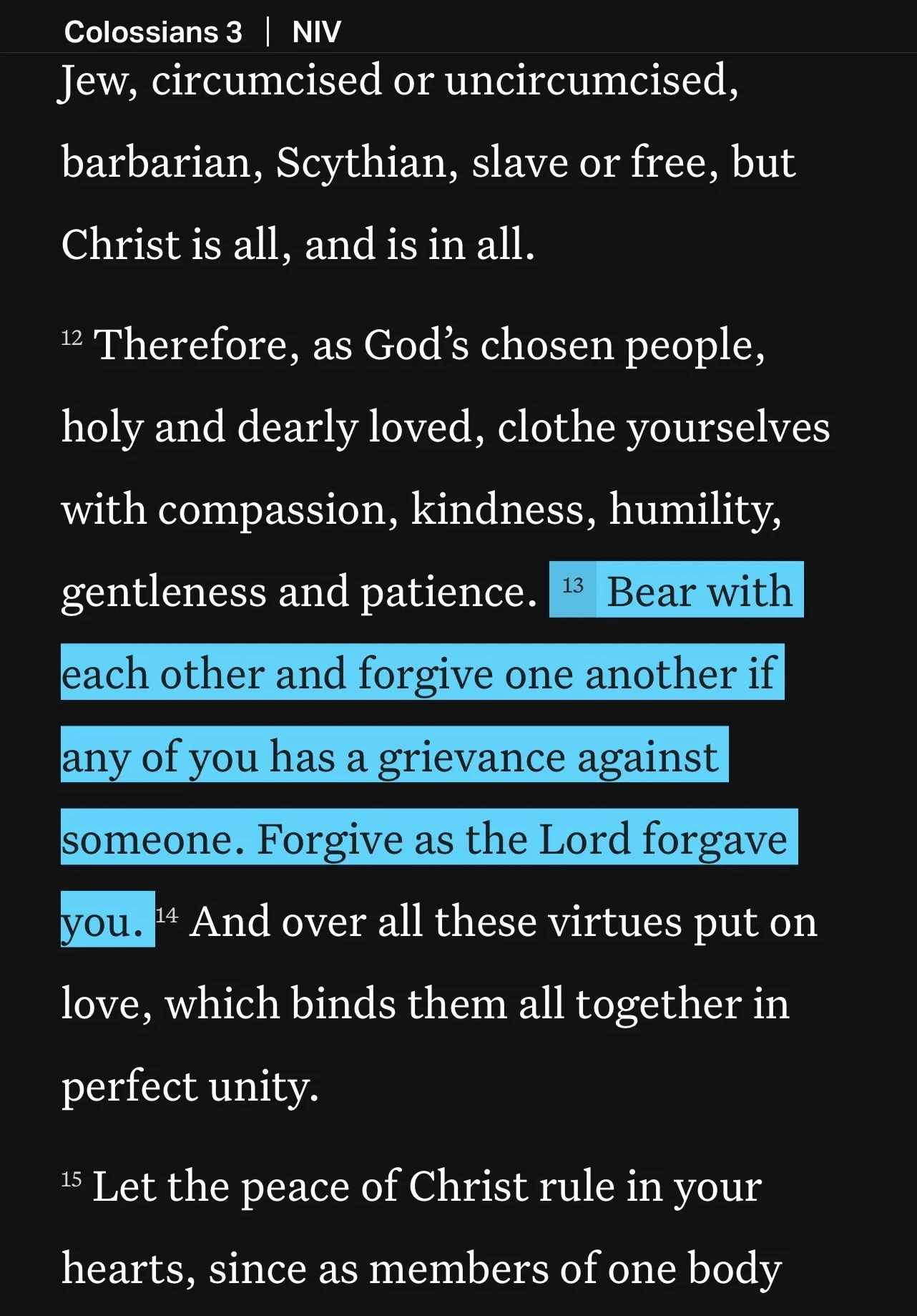
He links forgiveness with grace, reminding us that we’ve been forgiven too. You might reference the Lord’s Prayer, forgive us our debts as we forgive our debtors. And a verse like Colossians 3:13. “Forgive as the Lord forgave you.” What’s it like hearing that forgiveness is rooted in grace, not just obligation? We are humans designed with a flawed understanding who one day will need to be forgiven. How can we ask for forgiveness when we have not forgave those that have done any wrongdoing? This selfish approach to life will carry the burdens of ignorance that one day we will soon regret.
Common struggles with forgiveness.
If we’re honest, forgiveness can be one of the hardest commands. When someone hurts us deeply, everything inside says, “They don’t deserve my forgiveness.” And honestly, they may not. But forgiveness isn’t saying what happened was okay. It’s refusing to let the pain control you. Reacting to the hurt can throw more fuel on the fire.
Bitterness holds us captive, but forgiveness hands that burden back to God. And no, it doesn’t mean forgetting, or instantly trusting again, or tearing down healthy boundaries. That would leave you open to get hurt again and again.
Forgiveness is a journey, not a moment. And it begins by being honest with God. So, here are four practical steps.
- First, tell God exactly what happened. Don’t hold back, share exactly what happened and how you feel about what happened. Being able to confess this will put things into perspective on how to move on.
- Second, choose forgiveness even if feelings lag behind. This is a natural occurrence. The sting of the trespass will have lasting effects. It’s like breaking a bone and having screws placed. The bones will eventually heal however, you will feel some pain when it rains.
- Third, pray for willingness. Ask God to soften the hard places. Be mindful of the pain that was caused. Don’t ignore it acknowledge it. Ask the Lord to give you the heart to be willing to forgive.
- And fourth, trust God with justice. You don’t have to carry that weight. “Vengeance is mine says the lord“God sees every wrong, and He is just. One things for sure and two things are for certain. No Bad deed will go unpunished.
Here is a little short encouragement to close. Forgiveness is a path. Some wounds take time. But every step you take is one step closer to the peace Christ offers. And as Jesus said, “Come to me, all you who are weary and burdened, and I will give you rest.”
Believe that with your whole being regardless what the world may say!
In closing: a short prayer
Feel free to recite this aloud.
Lord Jesus, you know the pain we carry. Teach us to forgive as You forgave us. Give us courage for the next step, and bring healing to our hearts. Amen.
Until next time,
Geoff